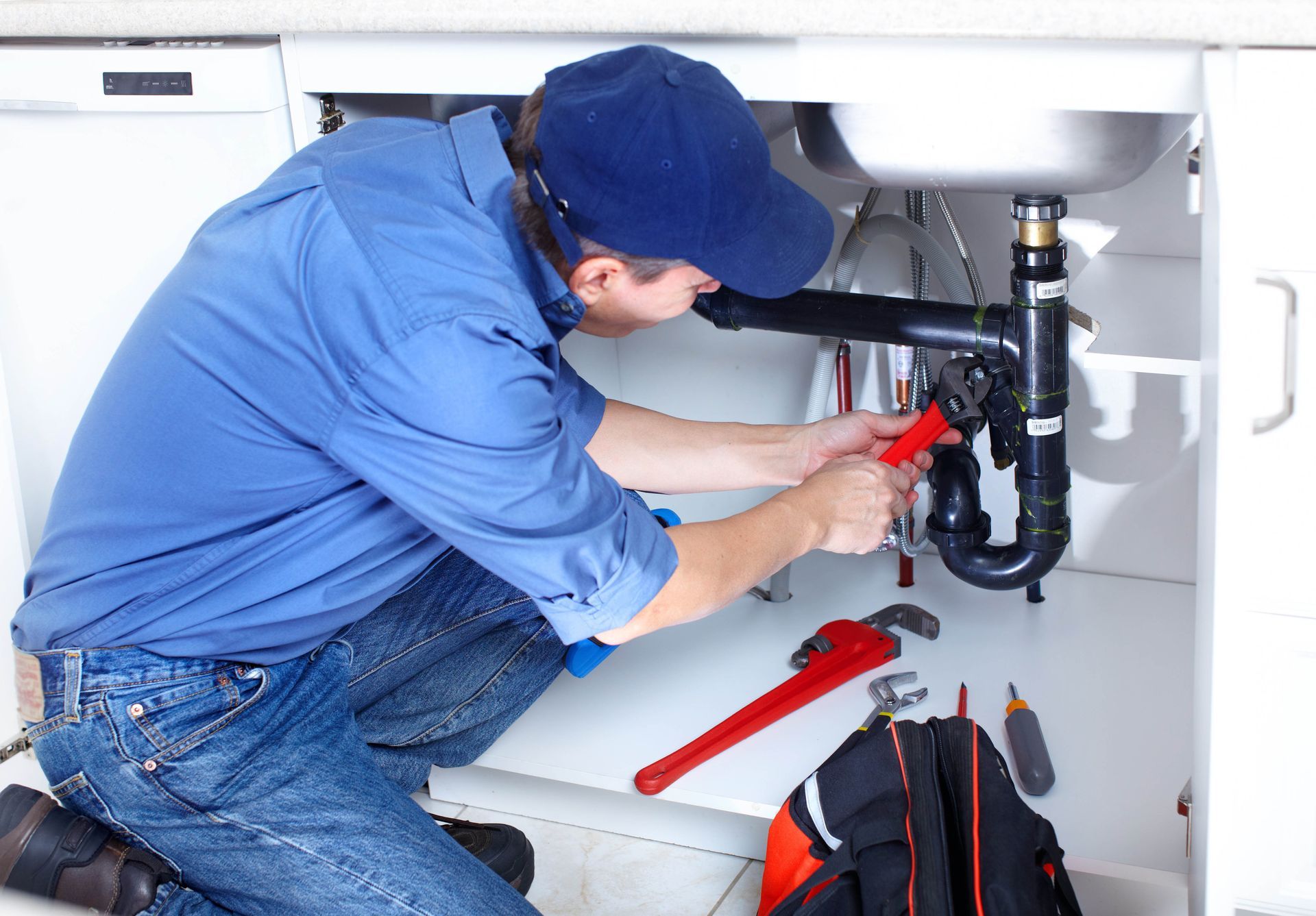
The Homeowner's Guide to Local Plumbing Repairs

April 16, 2026

Understanding the basics of plumbing repairs can empower homeowners to handle small issues, identify problems early, and decide when to call a professional. This guide will cover essential information to help you maintain your household plumbing effectively.


Identifying Common Plumbing Problems

Leaky Faucets

Leaky faucets are one of the most common plumbing problems homeowners face. A dripping faucet can waste gallons of water over time and might seem trivial, but it leads to higher water bills and resource wastage. The primary causes include worn-out washers, seals, or valve seats. Timely replacement of these parts can easily fix the issue. However, if ignored, the dripping could worsen, leading to more extensive repairs.


It’s essential to regularly inspect your faucets and address any minor leaks promptly. Homeowners can avoid extensive damage by checking for loose parts and corroded seals. Make sure to use the correct tools and replacement parts to match the faucet’s specifications. If the leak persists despite repairs, it might indicate a deeper plumbing issue. In such cases, consulting a professional plumber would be beneficial to prevent further damage.


Addressing leaky faucets not only saves water but also contributes to a more sustainable home. With the right maintenance, homeowners can prevent this pervasive problem from becoming more serious. Sometimes the solution involves just tightening a nut or replacing a washer, which are skills any DIY enthusiast can master. Investing in quality faucets and components can also extend their lifespan. By becoming attuned to the signs of a leaky faucet, you can maintain the integrity of your plumbing system efficiently.


Clogged Drains

Clogged drains are another prevalent plumbing issue that can be caused by several factors. Accumulation of hair, soap, and grease are common culprits in bathroom and kitchen sinks. Recognizing early signs like water draining slowly can help prevent complete blockages. Using a plunger is often the first step to address minor clogs, as it can dislodge blockages in the upper part of the drain. For deeper blockages, a drain snake or hand auger can be quite effective.


It's critical to ensure no large debris or unsuitable items are flushed down the drain. Regular maintenance such as pouring hot water mixed with baking soda and vinegar can help keep the pipes clear. Chemical drain cleaners, although effective, can sometimes damage pipes if used excessively. Therefore, they should be used with caution and as a last resort. Persistent or recurring clogs usually require professional intervention to thoroughly clean the pipes.


Preventive measures can significantly reduce the frequency of clogged drains. Installing drain guards or strainers can capture debris before it enters the pipe. Moreover, educating household members on proper waste disposal can minimize the risk of clogs. Understanding the plumbing system layout can also provide insights into areas prone to blockage. Routine checks and prompt action are key in maintaining healthy, clog-free drains.


Running Toilets

A running toilet is a nuisance that can waste up to 200 gallons of water per day. It usually happens when the flapper valve is faulty or the float is set incorrectly. Identifying the root cause requires a simple visual inspection of the components inside the tank. Adjusting the float level or replacing the flapper are common fixes. It’s essential to also check the fill tube and ensure it is correctly positioned.


Regular monitoring of your toilet’s flushing mechanism helps in spotting issues early. Noise coming from the tank after a flush or phantom flushing are signs that there could be a problem. It's advisable to repair these issues soon, as ignoring them can lead to more significant, costly repairs. Using a dye tablet or food coloring in the tank can help identify leaks. If the water in the bowl changes color, it's an indication of a leak that needs attention.


Ensuring all components are in good working condition can save homeowners from unnecessary water wastage. Investing in quality toilet parts can also extend the lifespan of the mechanism. Knowing how to perform basic repairs can save both time and money. While some problems are straightforward, persistent issues might require the expertise of a professional. Keeping spare parts on hand, like a spare flapper or float, is a good practice for quick repairs.


Low Water Pressure

Low water pressure can be frustrating and is often indicative of underlying plumbing problems. It can occur due to pipe corrosion, leaks, or sediment build-up within the plumbing system. Identifying whether the low pressure is localized or affects the entire house is crucial. Cleaning aerators and showerheads can often resolve issues in fixtures. However, if the issue remains widespread, it might be necessary to inspect the home's plumbing system more thoroughly.


Regular maintenance can help avoid low water pressure issues. This includes checking for visible leaks or damaged sections of piping. Water pressure regulators, if installed, should be operational and correctly adjusted. Mineral build-up within pipes can exacerbate the issue, and in heavily affected areas, installing a water softener may be beneficial. According to Workyard, using tankless water heaters can also prevent sediment buildup seen in traditional water heaters, helping maintain a consistent water flow.


Understanding the factors contributing to low water pressure can direct you toward effective solutions. Repair or replacement of old pipes can be a long-term solution. Systematically checking each element within the plumbing network can identify the cause of the problem. If troubleshooting does not resolve the issue, professional assessment might be necessary. Regular plumbing assessments can ensure everything functions at optimal capacity.


Water Heater Issues

Water heater problems can significantly impact household convenience. Common issues include insufficient hot water, noise during operation, or leaks. Mineral sediment build-up is a pervasive problem in tank heaters, which can be mitigated by flushing the tank periodically. Regular maintenance is crucial for the longevity and efficiency of water heaters. Modern options like tankless water heaters offer an energy-efficient alternative, being 8% to 34% more efficient than traditional storage tank heaters, depending on hot water usage.


Investigating water temperature issues often involves checking the thermostat settings. Older units may have faulty thermostats or heating elements that need replacement. Persistent issues or visible leaks should be handled by professionals to avoid safety hazards. It's essential for water heaters to meet household needs, and regular assessments can ensure optimal performance. A well-maintained water heater saves energy and extends the appliance's lifespan.


A proactive approach can prevent most common water heater issues. Investing in modern technology with high energy ratings can lead to long-term savings. Learning the intricacies of your water heater system empowers you to handle minor issues effectively. Regular inspections can preempt major failures, saving you from costly repairs. Deciding whether to repair or replace can depend on factors such as age, efficiency, and cost-effectiveness.


Essential Tools for DIY Plumbing Repairs

Plunger

The plunger is an indispensable tool for any homeowner dealing with plumbing issues. Its primary function is to clear blockages from drains and toilets by using pressure to dislodge objects. Plungers come in various types, including the standard cup plunger for flat surfaces and flange plungers for toilets. Having the right type of plunger is crucial for effective clog removal. Proper technique is equally important, requiring a firm seal and steady, powerful downward strokes.


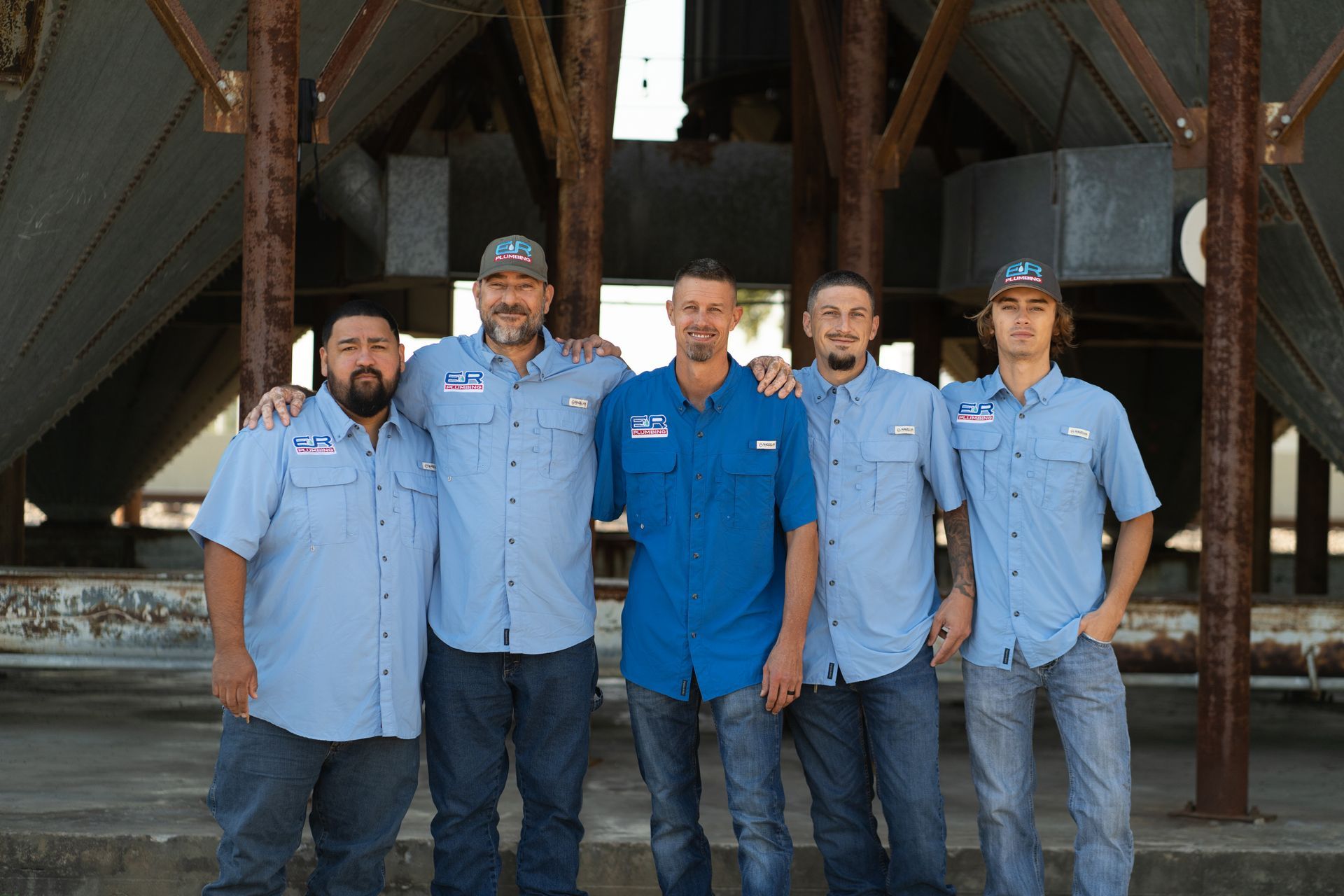
Understanding the limitations of a plunger is also important. It is most effective for shallow clogs but might not fully clear deeper obstructions. Regular use and the application of correct techniques can resolve most minor clogs. However, if a plunger fails repeatedly, it might be time to use an alternative tool like a plumbing snake. Plumbers know that a properly handled plunger is the first line of defense against persistent clogs. Be sure to reach out to ER Plumbing Services today for more information on our professional local plumbing repairs!
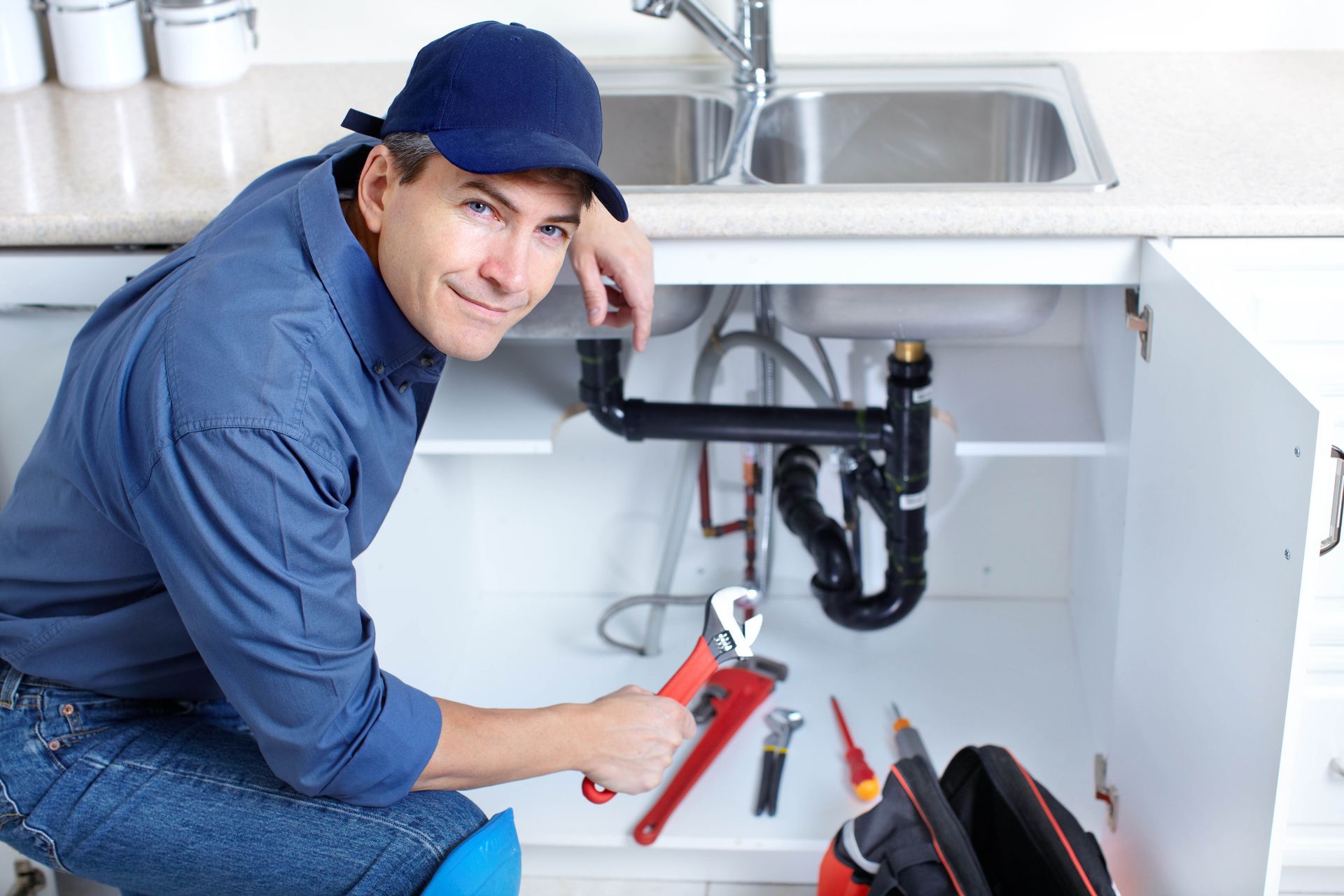
The Homeowner's Guide to Local Plumbing Repairs
plumbers
February 22, 2026
Plumbing has been a cornerstone of civilization for thousands of years, shaping public health, sanitation, and the overall quality of life. Ancient societies such as those in Egypt, India, China, and Rome developed early water management systems that laid the groundwork for modern plumbing infrastructure. The Indus Valley civilization, for example, designed household drainage systems that were remarkably advanced for their time. The Romans later expanded on these innovations by constructing aqueducts and using lead piping to transport water across vast distances. While ancient plumbing systems greatly improved sanitation, they also revealed challenges that modern systems have worked to correct. The use of lead pipes, though innovative at the time, presented long-term health concerns. Over centuries, improvements in materials and design refined water distribution and waste removal systems, making them safer and more reliable. These historical advancements established the foundation upon which today's plumbers build and improve. The Industrial Revolution marked a major turning point. Rapid urbanization demanded better infrastructure, leading to cast iron piping, improved sewage systems, and the development of plumbing codes. Public health crises, including cholera outbreaks, highlighted the urgent need for effective sanitation systems. As a result, plumbing became more standardized, regulated, and essential to community well-being. Modern plumbers continue to benefit from these earlier lessons, combining traditional principles with contemporary innovations to deliver safe and efficient water systems. Impact of Technology and Regulations on Plumbing Technology has dramatically reshaped the plumbing industry. Today's systems incorporate materials such as PVC and PEX, which offer durability, affordability, and resistance to corrosion. These advancements make installations more efficient and less prone to leaks compared to older metal systems. In addition, digital inspection cameras and electronic leak detection tools allow plumbers to diagnose issues accurately without unnecessary property disruption. Smart technology is also transforming how plumbing systems operate. Water monitoring devices, automatic shut-off valves, and high-efficiency fixtures help homeowners reduce waste and control usage. As sustainability becomes increasingly important, plumbers are expected to understand eco-friendly technologies and recommend water-saving solutions. These innovations not only enhance convenience but also contribute to environmental conservation efforts. Regulations have evolved alongside technology. Plumbing codes now govern materials, installation practices, and water efficiency standards to ensure safety and reliability. In the United States, updated guidelines emphasize reducing contamination risks and improving water conservation. Compliance with these standards is essential, and licensed plumbers must stay current with changing requirements to protect both property owners and public health. The role of regulation extends beyond safety. It promotes accountability, uniformity, and sustainability across residential and commercial systems. By adhering to strict codes, plumbers help maintain infrastructure that supports entire communities. Ongoing education and certification ensure that plumbing professionals remain knowledgeable about advancements and continue to uphold the highest standards in their work. Core Responsibilities of Plumbers At the heart of the profession are several essential responsibilities that ensure buildings function safely and efficiently. Pipe installation remains a foundational task. Whether supplying water, removing waste, or distributing gas, properly installed piping is critical to system performance. Careful planning, blueprint interpretation, and knowledge of materials are required to complete installations correctly. Poor workmanship can lead to leaks, contamination, and costly repairs, making skilled plumbers indispensable. Leak detection and repair are equally vital services. Even small leaks can lead to structural damage, mold growth, and excessive water waste. According to Workyard, household leaks can waste up to 10,000 gallons of water annually, with 10% of homes losing 90 gallons or more per day due to dripping faucets, worn toilet flappers, and leaking valves. These statistics highlight the importance of timely intervention. By identifying and repairing leaks efficiently, plumbers help conserve resources and reduce utility expenses. Fixture installation and maintenance also play a significant role. Faucets, toilets, sinks, and showers must be properly connected and sealed to prevent inefficiencies. Routine maintenance ensures these fixtures remain functional and water-efficient. Many plumbers now recommend high-efficiency models that reduce consumption while maintaining performance. This proactive approach extends the lifespan of plumbing systems and supports sustainability goals. Drain cleaning and maintenance are essential for preventing blockages that can disrupt daily life. Over time, debris, grease, and buildup restrict water flow, potentially causing backups and unpleasant odors. Using tools such as hydro-jetting equipment and video inspection cameras, plumbers can restore proper drainage safely and effectively. Preventive maintenance programs further reduce the likelihood of severe clogs and costly damage. Emergency services represent another critical responsibility. Burst pipes, major leaks, and system failures require immediate attention to minimize water damage and health risks. Experienced plumbers respond quickly, diagnose the root cause, and implement lasting solutions. Their ability to remain calm and decisive during urgent situations provides homeowners and businesses with reassurance when it matters most. Specialized Skills Within the Plumbing Industry Beyond general services, the plumbing field includes various specializations that require advanced training and expertise. Residential plumbing focuses on homes and emphasizes personalized service, system efficiency, and customer communication. In contrast, commercial plumbing involves larger, more complex systems that serve businesses, schools, hospitals, and industrial facilities. These projects demand strict compliance with regulations and a deep understanding of high-capacity infrastructure. Gas line installation is one specialized area that requires additional licensing and precision. Connecting appliances such as furnaces and water heaters involves strict adherence to safety codes. Licensed plumbers trained in gas systems ensure secure connections and proper ventilation, minimizing the risk of hazardous leaks. This specialized work highlights the technical depth of the profession. Hydronic heating and steam systems represent another niche within plumbing. These systems circulate heated water or steam through pipes to provide efficient building warmth. Installing and maintaining such systems requires knowledge of pressure control, thermal expansion, and fluid dynamics. Skilled plumbers who specialize in hydronics contribute to energy efficiency and reliable climate control. As the industry evolves, continuous education remains essential. New materials, updated regulations, and emerging technologies require ongoing training. Successful plumbers invest in learning opportunities to stay competitive and deliver the highest quality workmanship. Their adaptability ensures they can meet modern demands while maintaining safe and effective systems. Broader Value Plumbers Bring to Society The contributions of plumbers extend far beyond fixing leaks or installing fixtures. They play a fundamental role in protecting public health, conserving water, and supporting sustainable development. Reliable plumbing systems enable sanitation, safe drinking water, and comfortable living conditions. Without the expertise of trained professionals, communities would face significant health and environmental challenges. Water conservation is one of the most pressing issues of our time, and plumbing professionals are on the front lines of that effort. By installing efficient fixtures, repairing leaks, and recommending smart monitoring systems, plumbers help households and businesses reduce waste. Their work directly impacts resource preservation and environmental responsibility. The multifaceted role of plumbers encompasses history, technology, public health, and environmental stewardship. From ancient aqueducts to smart home water systems, the profession has continually evolved to meet society's needs. Modern plumbing professionals combine technical precision with innovative thinking to deliver safe, efficient, and sustainable solutions. Whether installing new systems, repairing leaks, or responding to emergencies, plumbers are essential to maintaining the infrastructure that supports everyday life. If you want to protect your property, conserve water, and ensure reliable performance from your plumbing systems, contact experienced plumbers today at ER Plumbing Services to schedule an inspection or service and take the next step toward a safer, more efficient home or business.
January 5, 2026
Plumbing repair inspections protect your home, prevent costly damage, extend system lifespan, ensure safety, efficiency, and peace of mind for years to come.
plumbing repair service
October 17, 2025
Discover reasons why you should call a professional for a plumbing repair service. Read on, or contact ER Plumbing Services to learn more.
More Posts →