Why Should You Schedule a Regular Plumbing Inspection?

January 5, 2026

Ensuring the proper functioning of a home's plumbing system through regular inspections is crucial for maintaining the integrity and safety of a property. These inspections offer numerous benefits such as early problem detection, cost savings, and increased system longevity. Neglecting this important aspect can lead to significant drawbacks, including escalating plumbing repair issues and increased repair costs. This article delves deeply into the mechanisms of plumbing systems, the advantages of routine inspections, potential consequences of negligence, and practical tips for homeowners. Understanding and implementing these measures are vital in safeguarding one's home and promoting environmental sustainability.


Understanding the Mechanisms of Your Plumbing System

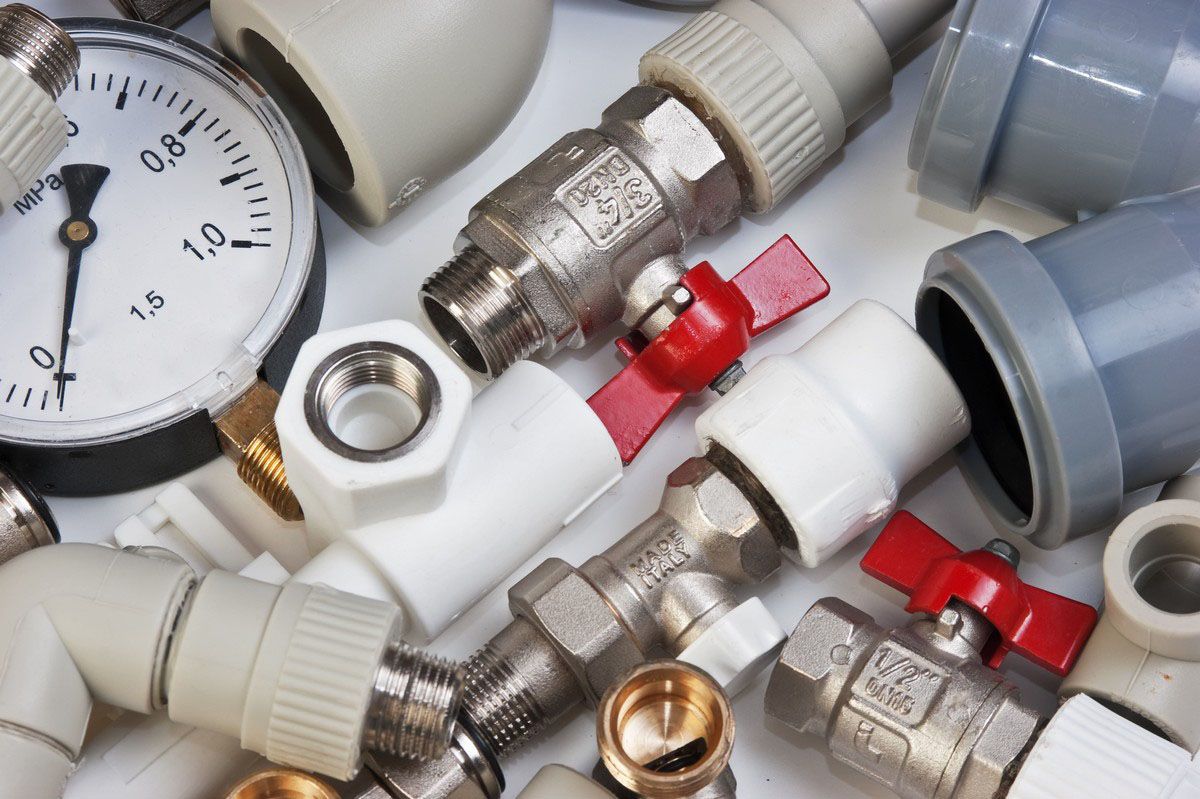
A typical plumbing system is composed of various interdependent components, each playing a critical role in ensuring smooth water flow and waste removal. Pipes serve as the conduits that transport water throughout the dwelling, while joints connect these pipes and allow for the redirection of water flow. Fixtures, such as sinks and toilets, provide access points for water utilization and waste disposal. Valves are essential in regulating water pressure and flow, allowing for maintenance operations and emergency shut-offs. Together, these components create a cohesive system that supports daily household activities and sanitation.


Functionality of Your Plumbing Infrastructure

The plumbing infrastructure of a home operates as a well-coordinated network, delivering clean water and removing waste efficiently. When all components function harmoniously, the system ensures reliable water access for various tasks, from cooking and cleaning to bathing and gardening. Water pressure is regulated by valves to prevent damage to sensitive fixtures and extend their longevity. Failures in any component can disrupt this balance, causing inconvenience and potential damage. Regular inspections help maintain this harmony by identifying and addressing issues before they expand.


Common Plumbing Problems

Despite their importance, plumbing systems are susceptible to a variety of problems, which can disrupt daily routines and cause significant damage. Leaks, for instance, are a common issue, often resulting from worn-out joints or weakened pipes. Clogs occur when debris accumulates within pipes, obstructing water flow and leading to backups. Corrosion and rusting can degrade pipes over time, causing them to weaken and eventually burst. Identifying and resolving these problems early can help prevent more extensive damage and costly repairs.


Identifying Early Warning Signs

Homeowners can play an active role in maintaining their plumbing systems by recognizing early warning signs of potential issues. A slow-draining sink or shower is often a red flag that indicates the presence of a clog, which should be addressed promptly to prevent overflow. Water discoloration can signal rust or sediment buildup within pipes, necessitating immediate attention. Strange noises, such as gurgling or banging, may suggest trapped air or pressure imbalances that could damage the system. Early intervention based on these signs can prevent the escalation of small problems into major headaches.


Impact of Plumbing Problems on Property

Neglected plumbing repair problems can have far-reaching impacts on a property, ranging from cosmetic damage to structural integrity concerns. Persistent leaks, if left unaddressed, can lead to water damage, destroying walls, flooring, and ceilings. Mold growth, a common consequence of leaks and standing water, poses significant health hazards and can greatly diminish indoor air quality. Significant structural damage may occur if water compromises the foundation, leading to costly repairs and decreased home value. Regular inspections help mitigate these risks by identifying and addressing problems before they worsen.


Prevention of Major Problems

One of the foremost advantages of regular plumbing inspections is their ability to prevent major problems before they occur. By identifying small issues early, such as minor leaks or incipient clogs, inspections can avert the cascade of complications those problems might trigger. Timely repairs from inspections can stave off water damage and control issues that lead to larger disruptions. Such proactive maintenance is exponentially more cost-effective than dealing with extensive damage from neglected issues. Preventative checks can also enhance general awareness and encourage residents to be more attentive to their plumbing system's needs.


Cost Savings Over Time

Regular plumbing repair inspections can lead to significant cost savings over time by minimizing the need for expensive repairs. Addressing minor problems before they escalate avoids costly emergency interventions and reduces the likelihood of extensive property repairs. According to the EPA, fixing plumbing leaks can save the average household up to 10% on its water bills, representing substantial financial savings on monthly utilities. Over the long term, these saved expenses contribute to a more manageable home maintenance budget, allowing homeowners to allocate funds more effectively elsewhere. Ultimately, the small investment in regular inspections can yield impressive financial returns.


Prolonged Lifespan of Plumbing Systems

Routine inspections facilitate the prolonged lifespan of plumbing systems by ensuring components function efficiently and minimizing wear and tear. Identifying and rectifying problems early helps prevent undue strain and stress on the system's elements. Regular maintenance checks can replace aging parts before they fail, forestalling system-wide issues that lead to premature failures. This approach extends the overall life of the plumbing infrastructure, reducing the need for costly overhauls and installations. By maintaining optimal performance, homeowners can enjoy reliable water service for many years.


Enhanced Home Safety

Ensuring the safety of inhabitants is a critical reason to schedule regular plumbing inspections. Timely detection of potential risks, such as water contamination or imminent pipe bursts, helps prevent unsafe situations that could endanger residents. Prompt action not only protects property but also mitigates risks to family health, such as exposure to unsafe chemicals or bio-contaminants in the water supply. Improved safety through inspections brings peace of mind knowing that the home environment is secure and well-managed. The foresight provided by regular plumbing evaluations is invaluable in preemptively addressing safety concerns.


Improved Water Efficiency

Regular plumbing repair inspections improve a home's water efficiency by identifying and correcting issues that lead to wastage. Leaks, for example, can result in significant water loss, inflating bills, and squandering resources. Inspections ensure that the plumbing system operates at its highest efficiency, optimizing water usage for cooking, cleaning, and hydration. In tandem with simple practices like fixing drips or installing efficient fixtures, inspections can lead to substantial savings on water bills. The outcome is not only favorable economically but also environmentally responsible, conserving precious resources and reducing the home's ecological footprint.


Potential Consequences of Neglecting Plumbing Inspections

When plumbing repair inspections are neglected, small issues can quickly snowball into larger, more damaging problems. A tiny leak might initially seem harmless, but it can expand under pressure, causing more significant leaks or even pipe bursts. Clogs left untreated can become blockages, preventing water flow and leading to backups that damage property. Such problems often require immediate, often costly fixes, disrupting daily routines and stressing household budgets. Preventive care through regular inspections avoids such escalation, saving time and resources in the long run.


Regular plumbing repair inspections are an essential part of responsible homeownership, helping to protect both property and occupants. By identifying issues early, homeowners can prevent costly repairs, extend the lifespan of their plumbing systems, and maintain a safe, efficient home environment. Investing in routine inspections not only saves money over time but also promotes water conservation and peace of mind, ensuring the plumbing system continues to function reliably for years to come. Get ahead of your plumbing repair by contacting the professionals at ER Plumbing Services today.
Why Should You Schedule a Regular Plumbing Inspection?
plumbers
February 22, 2026
Plumbing has been a cornerstone of civilization for thousands of years, shaping public health, sanitation, and the overall quality of life. Ancient societies such as those in Egypt, India, China, and Rome developed early water management systems that laid the groundwork for modern plumbing infrastructure. The Indus Valley civilization, for example, designed household drainage systems that were remarkably advanced for their time. The Romans later expanded on these innovations by constructing aqueducts and using lead piping to transport water across vast distances. While ancient plumbing systems greatly improved sanitation, they also revealed challenges that modern systems have worked to correct. The use of lead pipes, though innovative at the time, presented long-term health concerns. Over centuries, improvements in materials and design refined water distribution and waste removal systems, making them safer and more reliable. These historical advancements established the foundation upon which today's plumbers build and improve. The Industrial Revolution marked a major turning point. Rapid urbanization demanded better infrastructure, leading to cast iron piping, improved sewage systems, and the development of plumbing codes. Public health crises, including cholera outbreaks, highlighted the urgent need for effective sanitation systems. As a result, plumbing became more standardized, regulated, and essential to community well-being. Modern plumbers continue to benefit from these earlier lessons, combining traditional principles with contemporary innovations to deliver safe and efficient water systems. Impact of Technology and Regulations on Plumbing Technology has dramatically reshaped the plumbing industry. Today's systems incorporate materials such as PVC and PEX, which offer durability, affordability, and resistance to corrosion. These advancements make installations more efficient and less prone to leaks compared to older metal systems. In addition, digital inspection cameras and electronic leak detection tools allow plumbers to diagnose issues accurately without unnecessary property disruption. Smart technology is also transforming how plumbing systems operate. Water monitoring devices, automatic shut-off valves, and high-efficiency fixtures help homeowners reduce waste and control usage. As sustainability becomes increasingly important, plumbers are expected to understand eco-friendly technologies and recommend water-saving solutions. These innovations not only enhance convenience but also contribute to environmental conservation efforts. Regulations have evolved alongside technology. Plumbing codes now govern materials, installation practices, and water efficiency standards to ensure safety and reliability. In the United States, updated guidelines emphasize reducing contamination risks and improving water conservation. Compliance with these standards is essential, and licensed plumbers must stay current with changing requirements to protect both property owners and public health. The role of regulation extends beyond safety. It promotes accountability, uniformity, and sustainability across residential and commercial systems. By adhering to strict codes, plumbers help maintain infrastructure that supports entire communities. Ongoing education and certification ensure that plumbing professionals remain knowledgeable about advancements and continue to uphold the highest standards in their work. Core Responsibilities of Plumbers At the heart of the profession are several essential responsibilities that ensure buildings function safely and efficiently. Pipe installation remains a foundational task. Whether supplying water, removing waste, or distributing gas, properly installed piping is critical to system performance. Careful planning, blueprint interpretation, and knowledge of materials are required to complete installations correctly. Poor workmanship can lead to leaks, contamination, and costly repairs, making skilled plumbers indispensable. Leak detection and repair are equally vital services. Even small leaks can lead to structural damage, mold growth, and excessive water waste. According to Workyard, household leaks can waste up to 10,000 gallons of water annually, with 10% of homes losing 90 gallons or more per day due to dripping faucets, worn toilet flappers, and leaking valves. These statistics highlight the importance of timely intervention. By identifying and repairing leaks efficiently, plumbers help conserve resources and reduce utility expenses. Fixture installation and maintenance also play a significant role. Faucets, toilets, sinks, and showers must be properly connected and sealed to prevent inefficiencies. Routine maintenance ensures these fixtures remain functional and water-efficient. Many plumbers now recommend high-efficiency models that reduce consumption while maintaining performance. This proactive approach extends the lifespan of plumbing systems and supports sustainability goals. Drain cleaning and maintenance are essential for preventing blockages that can disrupt daily life. Over time, debris, grease, and buildup restrict water flow, potentially causing backups and unpleasant odors. Using tools such as hydro-jetting equipment and video inspection cameras, plumbers can restore proper drainage safely and effectively. Preventive maintenance programs further reduce the likelihood of severe clogs and costly damage. Emergency services represent another critical responsibility. Burst pipes, major leaks, and system failures require immediate attention to minimize water damage and health risks. Experienced plumbers respond quickly, diagnose the root cause, and implement lasting solutions. Their ability to remain calm and decisive during urgent situations provides homeowners and businesses with reassurance when it matters most. Specialized Skills Within the Plumbing Industry Beyond general services, the plumbing field includes various specializations that require advanced training and expertise. Residential plumbing focuses on homes and emphasizes personalized service, system efficiency, and customer communication. In contrast, commercial plumbing involves larger, more complex systems that serve businesses, schools, hospitals, and industrial facilities. These projects demand strict compliance with regulations and a deep understanding of high-capacity infrastructure. Gas line installation is one specialized area that requires additional licensing and precision. Connecting appliances such as furnaces and water heaters involves strict adherence to safety codes. Licensed plumbers trained in gas systems ensure secure connections and proper ventilation, minimizing the risk of hazardous leaks. This specialized work highlights the technical depth of the profession. Hydronic heating and steam systems represent another niche within plumbing. These systems circulate heated water or steam through pipes to provide efficient building warmth. Installing and maintaining such systems requires knowledge of pressure control, thermal expansion, and fluid dynamics. Skilled plumbers who specialize in hydronics contribute to energy efficiency and reliable climate control. As the industry evolves, continuous education remains essential. New materials, updated regulations, and emerging technologies require ongoing training. Successful plumbers invest in learning opportunities to stay competitive and deliver the highest quality workmanship. Their adaptability ensures they can meet modern demands while maintaining safe and effective systems. Broader Value Plumbers Bring to Society The contributions of plumbers extend far beyond fixing leaks or installing fixtures. They play a fundamental role in protecting public health, conserving water, and supporting sustainable development. Reliable plumbing systems enable sanitation, safe drinking water, and comfortable living conditions. Without the expertise of trained professionals, communities would face significant health and environmental challenges. Water conservation is one of the most pressing issues of our time, and plumbing professionals are on the front lines of that effort. By installing efficient fixtures, repairing leaks, and recommending smart monitoring systems, plumbers help households and businesses reduce waste. Their work directly impacts resource preservation and environmental responsibility. The multifaceted role of plumbers encompasses history, technology, public health, and environmental stewardship. From ancient aqueducts to smart home water systems, the profession has continually evolved to meet society's needs. Modern plumbing professionals combine technical precision with innovative thinking to deliver safe, efficient, and sustainable solutions. Whether installing new systems, repairing leaks, or responding to emergencies, plumbers are essential to maintaining the infrastructure that supports everyday life. If you want to protect your property, conserve water, and ensure reliable performance from your plumbing systems, contact experienced plumbers today at ER Plumbing Services to schedule an inspection or service and take the next step toward a safer, more efficient home or business.
plumbing repair service
October 17, 2025
Discover reasons why you should call a professional for a plumbing repair service. Read on, or contact ER Plumbing Services to learn more.
local plumbing repair
July 3, 2025
There are a few common signs that indicate you have a plumbing leak. Keep reading or contact a local plumbing repair service today to learn more.